

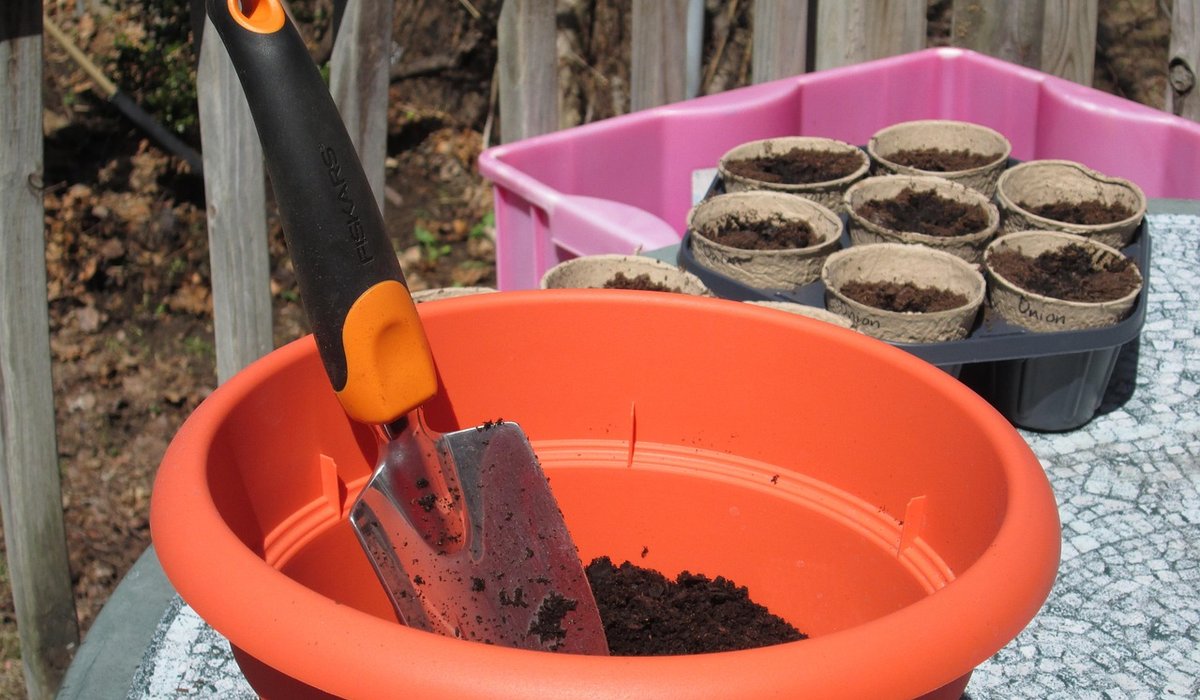
Heavy clay is the lot of many UK gardeners. It sticks to your boots in winter, bakes hard in summer, and can feel more like pottery than soil. But don't write it off. Clay holds nutrients and moisture far better than light sand, and once you've improved its structure, it can grow excellent crops. On a small plot, the goal isn't to transform the entire garden overnight. It's to make a workable bed that drains, warms up in spring, and lets roots push through. With a little grit, plenty of compost, and the right crop choices, you can turn a sticky corner into a productive patch.
The first job is to open up the soil so water can move. Clay particles are tiny and packed tight, so rain sits on the surface and roots suffocate. For a small bed, spread a 5cm layer of horticultural grit and a 10cm layer of well-rotted manure or garden compost over the surface. Fork it into the top 20cm, mixing thoroughly. Do this in autumn, while the soil is damp but not sodden. Never dig clay when it's wet — you'll create hard lumps that take years to break down.
If digging sounds back-breaking, try the no-dig approach. Lay overlapping cardboard over the bed, wet it well, then pile 15–20cm of compost on top. Worms will do the mixing for you. This is slower to start, but it avoids damaging the clay structure and smothers weeds. Whichever route you take, grit alone isn't enough. Compost is the key ingredient: it binds clay particles into crumbly clusters, known as aggregates, which let air and water through.
On heavy clay, raised beds are a game-changer. Build them 20–30cm high and no wider than 1.2 metres, so you can reach the middle without stepping on the soil. Fill with a mix of topsoil, compost and a little grit. The raised height improves drainage and warms up faster in spring, giving you a few extra weeks of growing time.
For beans and other tall crops, try ridges instead. Draw up the soil into mounds 20cm high and 30cm wide, then plant along the top. Ridges keep roots out of the wettest ground and give stems a firm base. In a small plot, even a single ridge can make the difference between a crop and a soggy failure.
Not everything sulks in clay. Some vegetables actually prefer it, especially those that like firm ground and steady moisture. Start with these reliable performers:
Avoid root crops like carrots and parsnips until the soil is much improved — they'll fork and twist in heavy ground.
Timing matters more on clay than on lighter soils. Don't sow direct into cold, wet ground in early spring. Start seeds in modules or pots, then plant out once the soil is workable and warming up. For most of the UK, that's late April to early June, depending on your region.
When you plant, work from a plank laid across the bed to spread your weight. Never stand on the soil you've just improved. Water newly planted crops gently but thoroughly, then mulch with compost or straw to lock in moisture and stop the surface panning. Clay holds nutrients well, so you won't need much feeding — a mid-season boost of comfrey or a general organic fertiliser is usually plenty.
Clay is not a quick fix. It takes three or four years of regular compost additions to become genuinely crumbly. But the rewards are real: once improved, clay is among the most fertile soils you can have. Each autumn, spread another 5cm of compost or well-rotted manure over the surface and let the worms pull it down. Sow green manures like field beans or grazing rye over winter to protect the surface from rain damage and add more organic matter when you dig them in.
One warning: never add sand to clay. It mixes into something resembling concrete. Stick to grit and compost, keep off the beds when wet, and be patient. Your small plot will repay you with sturdy kale, heavy bean pods and brassicas that stand proud through the worst of the British weather.

The Cleveryard Simple, genuine and looked after with care — the kind of place worth returning to.

The Cleveryard No rushing, no fuss — just thoughtful notes and practical help, written by people who care.

Move containers to sheltered walls, wrap terracotta in bubble wrap and reduce watering to prevent rot during cold, wet spells.

Comments
ALina Kelian
19th May 2018 ReplyThe Cleveryard No rushing, no fuss — just thoughtful notes and practical help, written by people who care. ullamco laboris nisi ut aliquip ex ea commodo consequat.
Rlex Kelian
19th May 2018 ReplyThe Cleveryard We spend our time finding what works so you don't have to, and sharing exactly what made the difference. ullamco laboris nisi ut aliquip commodo.
Roboto Alex
21th May 2018 ReplyThe Cleveryard An honest, everyday look at the things that make life a little better — with advice you can actually use. ullamco laboris nisi ut aliquip ex ea commodo consequat.