

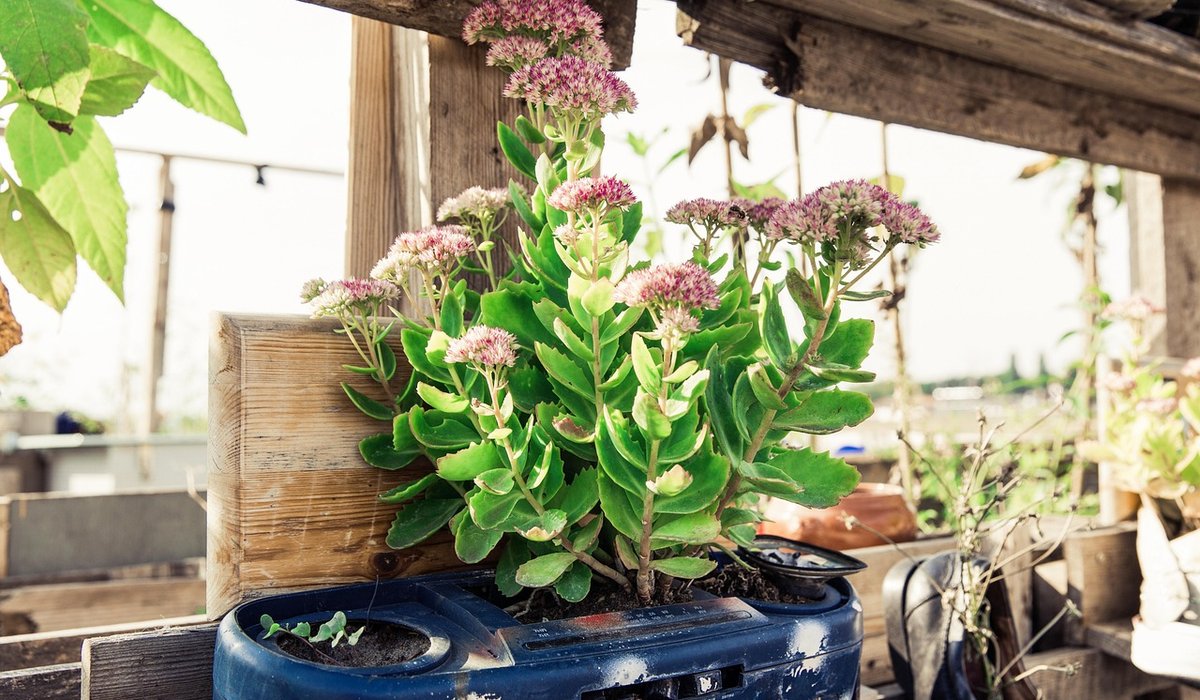
A bright kitchen windowsill is one of the most productive spots in a small UK home. It gives you fresh herbs within arm's reach of the chopping board, and it makes use of space that would otherwise sit empty. The trick is choosing the right herbs, giving them decent light, and watering with a little restraint. Get those three things right and you can harvest basil, parsley, chives and mint almost all year round.
Most UK kitchens have a window that faces south or west, which means six or more hours of decent light in summer. That is enough for the herbs that matter most in cooking. An east-facing sill can work for parsley, chives and mint, but basil will sulk without strong sun. A north-facing sill is best avoided for herbs altogether, unless you add a small grow light.
Kitchens are also warm, which suits basil in particular. Just keep pots away from radiators, draughty back doors and the blast of a kettle. Rotate your pots by a quarter turn every few days so stems grow straight rather than leaning towards the glass. A windowsill that gets too hot in direct summer sun can scorch leaves, so move pots back a little in July and August.
Not every herb enjoys indoor life. These four are reliable on a kitchen sill:
Rosemary and thyme can struggle indoors because they prefer dry air and sharp drainage. If you want them, grow them outdoors in a pot by the door instead.
Use pots with drainage holes. A 12–15cm pot suits one herb; a 20cm pot can take a trio of chives, parsley and basil if you leave space between them. Stand pots on saucers to protect the sill, but empty the saucers thirty minutes after watering so roots do not drown.
Fill with peat-free multipurpose compost, or a loam-based mix for parsley and chives. Add a handful of perlite to improve drainage, especially for basil and mint. After six weeks, start feeding with a liquid seaweed or tomato feed at half strength every fortnight. If roots appear through the drainage holes, pot up into the next size.
This is where most windowsill herbs fail. Check the compost daily by pushing a finger in up to the second knuckle. Water only when it feels dry at that depth. Give a little at a time, let it drain through, and never leave the pot standing in water.
Basil and parsley prefer to dry out slightly between waterings. Chives are forgiving. Mint is thirsty and will wilt dramatically if left dry, but it recovers quickly. In winter, cut watering right back, because growth slows and wet compost turns sour. Use room-temperature water rather than cold tap water, which can shock roots. A light misting of basil leaves on hot days is welcome, but do it in the morning so foliage dries before evening.
Regular picking is not just for the kitchen. It tells the plant to branch out rather than grow tall and spindly. Here is how to harvest each one:
Aim to harvest a little from every plant every week. This keeps air moving through the foliage and reduces the chance of mildew.
Leggy, pale growth usually means too little light. Move pots closer to the glass, rotate them, and trim the stems back to encourage side shoots. Yellow lower leaves often point to overwatering or a lack of nutrients. Check the compost, reduce watering, and give a weak feed.
Whitefly and aphids can appear on indoor herbs, especially in late summer. Inspect the undersides of leaves, wash them off with a gentle spray of water, and move affected pots away from healthy ones. Damping off, where seedlings collapse at the base, is caused by cold, wet compost and poor air. Space pots out and water less.
In winter, accept that growth will slow. Reduce watering, stop feeding, and move pots to the brightest spot you have. Come spring, pinch out the tips and your herbs will reward you with a fresh flush of leaves for another year of cooking.

The Cleveryard Simple, genuine and looked after with care — the kind of place worth returning to.

The Cleveryard No rushing, no fuss — just thoughtful notes and practical help, written by people who care.

A half barrel or sunken tub can become a thriving habitat. Add native oxygenators and a gentle slope for hedgehogs and frogs.

Comments
ALina Kelian
19th May 2018 ReplyThe Cleveryard No rushing, no fuss — just thoughtful notes and practical help, written by people who care. ullamco laboris nisi ut aliquip ex ea commodo consequat.
Rlex Kelian
19th May 2018 ReplyThe Cleveryard We spend our time finding what works so you don't have to, and sharing exactly what made the difference. ullamco laboris nisi ut aliquip commodo.
Roboto Alex
21th May 2018 ReplyThe Cleveryard An honest, everyday look at the things that make life a little better — with advice you can actually use. ullamco laboris nisi ut aliquip ex ea commodo consequat.