

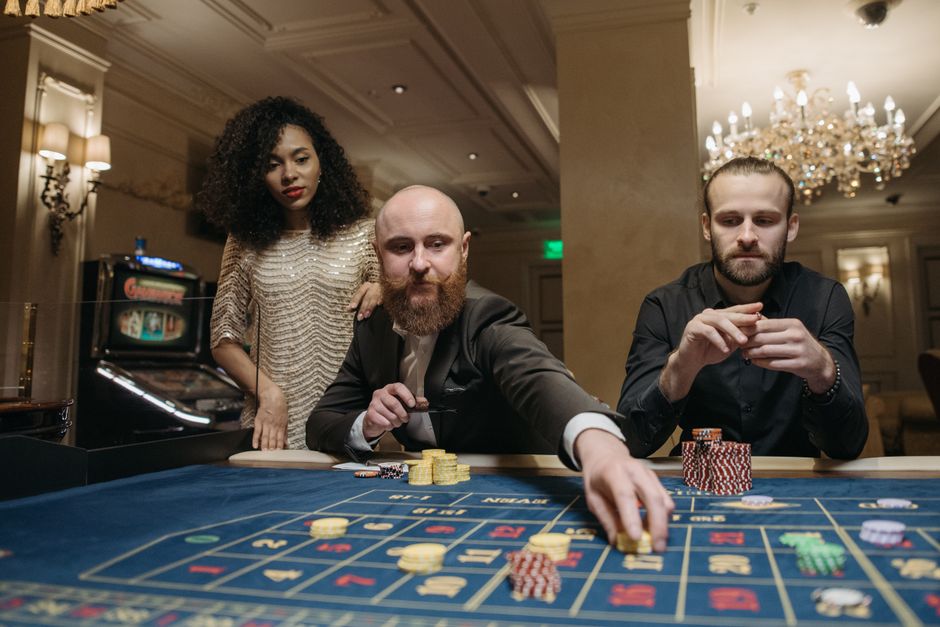
The first time you sit down at a poker table, whether it's felt or pixels, you learn something quickly: nobody is there to hand you money. The same truth applies to every corner of iGaming. Slots spin on math, sportsbooks price on probability, and poker rewards patience far more than luck. Understanding how each of these worlds actually works is the difference between playing with a plan and simply donating your bankroll.
This piece isn't a hype sheet or a promise of easy wins. It's a grounded look at how slots, poker, and betting really function in 2024, plus a few habits that separate recreational players who last from those who burn out in a weekend.
Modern video slots are built on a concept called Return to Player, or RTP. That number, usually somewhere between 92% and 97%, tells you what percentage of all wagered money a game pays back over millions of spins. A 96% RTP slot keeps roughly four cents of every dollar wagered long-term. That's not a prediction for your session; it's a statistical average that smooths out over an enormous sample size.
What most players don't realize is how much volatility shapes the experience. Two slots can share the same RTP yet feel completely different:
If you're playing with a $50 budget, a high-volatility slot will likely eat it in twenty minutes. A low-volatility game stretches the same money across an hour or more. Neither is better; they're just different tools.
Slots and sports betting pit you against a house edge. Poker is different, and that's why it still attracts serious players decades after the online boom. You're competing against other humans, and the casino just takes a small cut called the rake. In theory, a skilled player can win consistently. In practice, most don't, because skill takes years to develop.
The fundamentals haven't changed much since Doyle Brunson's era, even if solvers and HUDs have transformed the upper tiers. For a recreational player, three concepts do most of the heavy lifting: If this is new to you, keonhacaii5.com.co is a sensible next read.
One more thing worth saying plainly: online poker is not a get-rich-quick path. The players who survive treat it like a craft, review hand histories, and accept that variance can hand them losing months even when they play well.
Betting on sports has exploded in popularity, partly because it feels like you're using knowledge rather than chance. That's half true. A sharp bettor does have an edge when they know a market better than the bookmaker's opening line. But the vast majority of recreational bets are placed on emotion, favorite teams, and gut feelings, which is exactly why sportsbooks profit.
The concept that separates winners from losers is expected value, or EV. A bet has positive EV if the true probability of the outcome is higher than what the odds imply. If a team has a genuine 55% chance to win but the odds pay as though it's 50%, that's a value bet, regardless of whether it wins tonight.
Every regulated iGaming market now requires operators to offer deposit limits, session timers, and self-exclusion tools. Use them. Not because regulators say so, but because the house edge works silently in the background of every session. The players who enjoy this hobby for years are the ones who treat it as entertainment with a fixed budget, not as an income stream.
A simple rule that works: decide in advance what a fun evening costs, the same way you'd budget for a concert ticket. Once that money is gone, you're done. No chasing, no "one more spin."
iGaming rewards curiosity and discipline far more than raw luck. Slots are mathematics wrapped in entertainment, poker is a skill game with brutal variance, and sports betting is an information market where most people pay for the privilege of being wrong. None of that makes the hobby less enjoyable. It just means the smartest players walk in with open eyes, realistic expectations, and a bankroll they can genuinely afford to lose. Do that, and you'll get more out of every session than the person chasing a jackpot they'll never see.

The Cleveryard Simple, genuine and looked after with care — the kind of place worth returning to.

The Cleveryard No rushing, no fuss — just thoughtful notes and practical help, written by people who care.

Different crops need different compost blends, drainage and feeding. Learn which mix suits tomatoes, salads, herbs and root vegetables.

Comments
ALina Kelian
19th May 2018 ReplyThe Cleveryard No rushing, no fuss — just thoughtful notes and practical help, written by people who care. ullamco laboris nisi ut aliquip ex ea commodo consequat.
Rlex Kelian
19th May 2018 ReplyThe Cleveryard We spend our time finding what works so you don't have to, and sharing exactly what made the difference. ullamco laboris nisi ut aliquip commodo.
Roboto Alex
21th May 2018 ReplyThe Cleveryard An honest, everyday look at the things that make life a little better — with advice you can actually use. ullamco laboris nisi ut aliquip ex ea commodo consequat.